The Difference Between Indica and Sativa Explained
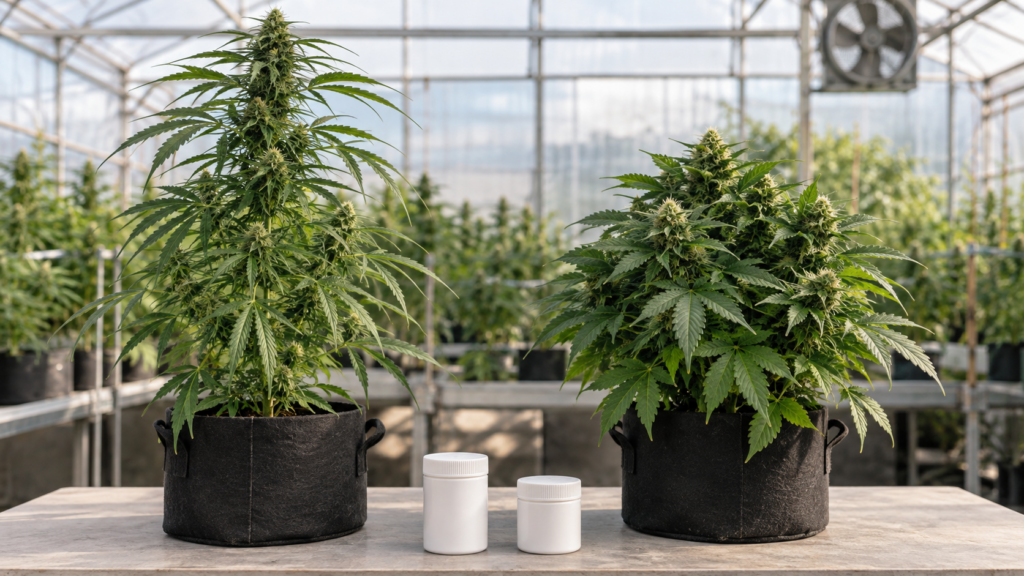
The difference between indica and sativa began with plant traits and growing history. Traditional sativa plants were often tall with narrow leaves. Traditional indica plants were often shorter with broader leaves. Modern store labels also suggest effects, but those labels do not prove how a product will feel for one person.
Key Takeaways
- Indica and sativa first described plant types and origins.
- Modern breeding has mixed many cannabis family lines.
- Commercial labels do not always match clear chemical groups.
- THC, CBD, terpenes, form, and amount offer more product detail.
- Effects vary, so no label can promise a result.
The Main Difference Between Indica and Sativa
The clearest old difference between indica and sativa is how the plants were described. Sativa was linked with taller plants, thinner leaves, and longer growing cycles. Indica was linked with shorter, bushier plants, wider leaves, and faster flowering. Those traits helped growers talk about plants from different places.
Store use changed the meaning. Sativa became linked with a bright or active feeling. Indica became linked with a calm or heavy feeling. These are common reports, not rules. A dried flower label cannot tell you the full plant shape or promise the effect.
Why the Names Can Be Confusing
Scientists do not all use the names in the same way. Some group cannabis as one broad species with many varieties. Others discuss more than one type. The common market words are even less exact because growers have crossed plants for many years.
This means the difference between indica and sativa may refer to plant history, shape, family line, a seller’s category, or a reported effect. A useful guide must say which meaning it uses. Mixing all five ideas can make a simple label sound more certain than it is.
What Modern Research Found
A PLOS One study of commercial cannabis compared cannabinoid and terpene data from many samples. Indica, hybrid, and sativa labels did not form clean, separate chemical groups. Many samples with one label had a terpene profile much like samples with another label.
The study does not prove that every product is the same. It shows that a broad market label may miss important chemical details. The difference between indica and sativa is not a simple lab line that separates all products into two matching effect groups.
| Feature | Traditional Sativa | Traditional Indica |
|---|---|---|
| Plant height | Often taller | Often shorter |
| Leaf shape | Often narrow | Often broad |
| Growing pattern | Often longer cycle | Often faster cycle |
| Common store story | Bright or active | Calm or restful |
| Reliable effect promise | No | No |
Traditional plant traits and modern store stories are not the same type of evidence.
The Difference Between Indica and Sativa in Chemistry
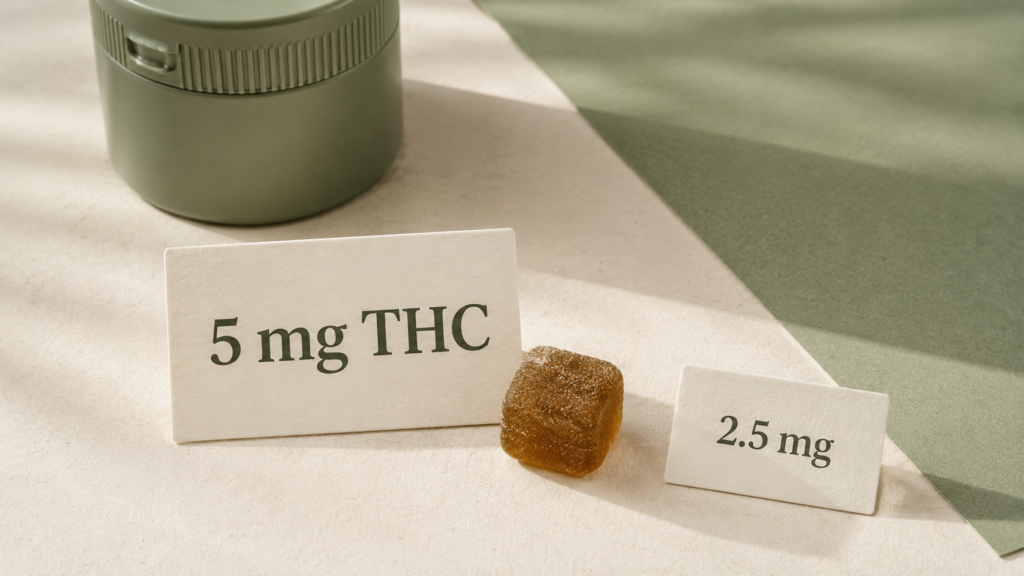
THC is one key fact. It can cause a high and impair memory, attention, movement, and reaction time. CBD does not cause a high by itself, but mixed products may still contain THC. The ratio between THC and CBD can be more useful than a broad strain label.
Terpenes help make smell and taste. Products can show different terpene mixes even when they share an indica or sativa label. Human research on exact terpene effects is still developing. A terpene list gives added detail, but it should not be turned into a medical promise.
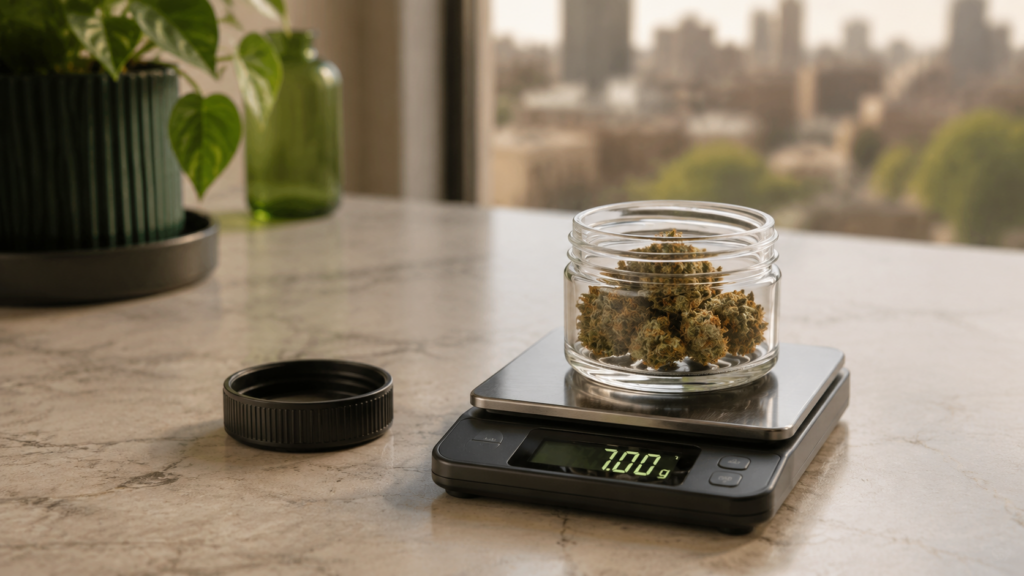
Product form matters too. Flower, vapes, concentrates, and edibles can start and last in different ways. Amount matters every time. These details help explain why the difference between indica and sativa may be smaller than the difference between two serving sizes or two product forms.
Why Effects Can Differ From the Label
The NIDA cannabis guide says effects can change with the amount, THC strength, ingredients, method of use, other substances, health, age, genes, and prior experience. The setting can also shape how an adult feels. A label cannot account for all of this.
One adult may call a product calm. Another may feel alert, dizzy, uneasy, or no clear change. The same adult may react in a new way after using more. No responsible seller should promise sleep, focus, energy, pain relief, or a safe high based on a category.
How to Read an Indica or Sativa Product Label
- Check the THC amount or percent.
- Check whether CBD or another cannabinoid is listed.
- Read the serving size and full package amount.
- Look at the product form and use directions.
- Find the New York symbol and lab report link.
- Keep the original package and warning information.
The New York OCM consumer page tells shoppers to check the licensed store sign, universal product symbol, and Certificate of Analysis link. These steps give proof that a product came through the regulated market. They still do not guarantee one effect.
How to Use the Terms at ZenZest Queens
Use the label as the first filter, then ask for the package facts. Our team can explain the difference between indica and sativa as a store system and help you compare current products. We cannot tell you that a product will treat a condition or cause one exact feeling.
Read the broader ZenZest strain guide before using the live Queens flower menu. ZenZest Queens is at 272-06 Union Turnpike. The adult-use location is licensed as OCM-RETL-24-000247 through HerbHub LLC.
New York Safety Rules
Adult-use cannabis is for people age 21 and older. Keep every product locked away from children and pets. Do not mix cannabis with alcohol. Do not drive or use machinery after cannabis use. Make a sober ride plan before opening the package.
New York law bans cannabis use in a vehicle and driving while impaired. Keep packages closed in a vehicle. Cannabis must not cross a state line or enter federal property. These rules do not change with the difference between indica and sativa.
Frequently Asked Questions
What is the physical difference between indica and sativa plants?
Traditional sativa plants are often described as tall with narrow leaves. Traditional indica plants are often described as shorter with wider leaves. Modern breeding can blur these traits. Once flower is dried and packed, a shopper may not be able to confirm the plant type by sight alone.
Does indica have more THC than sativa?
Not always. Either label can appear on a product with lower or higher THC. Read the tested amount for the exact item. THC strength, serving size, product form, and personal response matter more than assuming one category is stronger. A high number also does not prove better quality.
Does the difference between indica and sativa predict sleep or energy?
No. The labels may reflect common reports, but they do not guarantee sleep, calm, focus, or energy. Chemistry and dose can differ across products with the same label. The person and setting also matter. Ongoing sleep or health concerns should be discussed with a qualified health professional.
Are most cannabis products hybrids now?
Many modern products come from crossed family lines, but a shopper cannot verify every family tree from a simple label. Brands may still sort products as indica, sativa, or hybrid. Use those terms as broad categories and compare the tested facts for each regulated product.
Compare Current Flower Labels
Now that the difference between indica and sativa is clear, use the live menu to compare THC, CBD, form, and label details. Adults 21+ can ask the ZenZest Queens team for help reading regulated product information.